
Welcome / Introduction
Welcome to the Be Elite Academy team. We are thrilled to have you join our dedicated group of
professionals committed to providing high-quality, safe, and structured environment. This
handbook has been prepared to inform you of the policies and procedures that govern your
employment and to provide a framework for our mutual success in serving the community.
As a member of our staff, you play a vital role in the lives of the youth we serve. Whether you
are a full-time coordinator or a part-time activity leader, your interactions with students, parents,
and fellow staff members define our organizational reputation. We encourage you to read this
manual thoroughly to understand the expectations we have for our personnel and the support you
can expect from leadership as you navigate your role within our programming.
Program Overview
Be Elite Academy is a Youth Enrichment & Out-of-School Program, that provides structured
supervision, team sports, recreational activities, and enrichment opportunities for school-age
children in a safe and supportive environment. The program operates as an out-of-school time
care program serving children during after-school hours, school holidays, and summer
programming.
The program focuses on providing a balanced schedule of academic support, team sports,
physical activity, social development, and creative enrichment while maintaining compliance
with New Mexico Early Childhood Education & Care Department licensing standards.
Location
Las Cruces Catholic School
1331 N. Miranda St, Las Cruces. NM 88005
Age Groups Served
Children age 3 (preschool age) through 13 (school age) years old. Children must be enrolled in
kindergarten – 8th grade.
Hours of Operation
School Year: Monday through Friday, approximately 3:00 PM – 5:30 PM
Summer Program: Monday through Friday, approximately 8:00 AM – 6:00 PM
Program Activities
Daily programming includes a variety of supervised activities designed to support children’s
development and engagement, including:
• Homework support and quiet study time
• Outdoor recreation and organized sports
• Arts and crafts activities
• STEM and enrichment projects
• Team-building and cooperative games
• Reading and educational enrichment
• Free play and supervised social interaction
Activities are designed to encourage physical health, creativity, teamwork, and positive peer
relationships.
Facility
The program operates within the facilities of Las Cruces Catholic School. Classrooms,
playground areas, and other designated spaces will be used to support both indoor and outdoor
program activities. The facility provides appropriate safety features including emergency exits,
restroom facilities, and designated play areas.
Enrollment
Enrollment is open to children attending Las Cruces Catholic School as well as other eligible
families in the community. The program may accept children whose families participate in the
New Mexico Child Care Assistance Program.
Company overview and culture
Our organization was founded on the belief that every child deserves access to a safe, enriching
environment during out-of-school time. We specialize in structured after-school and summer
programming that balances academic support with social-emotional learning and physical
activity. Our culture is one of collaboration, continuous improvement, and a steadfast focus on
the safety and well-being of the youth in our care.
We believe that our staff is our greatest asset. By fostering a culture of professional development
and mutual respect, we empower our team members to innovate and lead. Our programs are
designed to be inclusive and representative of the diverse communities we serve, ensuring that
every child feels a sense of belonging and every staff member feels valued for their unique
contributions.
Employment Policies & Requirements
The Be Elite Academy program is committed to maintaining a professional workplace through
clear employment policies. We adhere to all local, state, and federal employment laws to ensure
a fair and productive environment for both full-time and part-time staff. All hiring is based on
qualifications, merit, and the needs of our youth programming schedules.
Onboarding is a critical phase of employment where new hires are introduced to our specific
safety protocols and program standards. All employees are required to complete necessary
background checks, fingerprinting, and orientation training before they are permitted to work
directly with program participants. This ensures that our high standards for child safety are met
from day one.
We are an equal opportunity employer. We prohibit discrimination and harassment of any type
without regard to race, color, religion, age, sex, national origin, disability status, genetics,
protected veteran status, sexual orientation, gender identity or expression, or any other
characteristic protected by federal, state, or local laws. This policy applies to all terms and
conditions of employment, including recruiting, hiring, and promotion.
Staff Qualifications
All staff members must:
• Complete background checks through the New Mexico Child Care Background Check
Unit
• Maintain CPR and First Aid certification
• Participate in required training as determined by the Early Childhood Education & Care Department
• Follow all program policies and safety procedures
Code Of Conduct
Maintaining a professional demeanor is essential when working in a youth-centric environment.
Staff members serve as role models for the children in our programs; therefore, behavior must
always reflect the values of the organization. This includes appropriate dress, professional
language, and maintaining boundaries with students and their families.
Ethics in our workplace extend to how we handle program resources, student data, and
interpersonal conflicts. Staff are expected to act with honesty and transparency. Any behavior
that compromises the safety of children or the integrity of the organization will be addressed
immediately through our disciplinary procedures. Professionalism is expected not only during
program hours but also in any digital or social media interactions that may involve the
organization.
Professional Behavior Expectations
Staff must arrive on time, prepared for daily activities, and ready to engage with youth. Use of
personal cell phones is strictly prohibited while supervising children, except in cases of
emergency. Staff are expected to use positive reinforcement techniques and adhere to our non
physical discipline policy when managing student behavior.
Ethical Guidelines and Boundaries
Maintaining professional boundaries is a critical component of child safety. Staff may not engage
in private communications with students via social media or personal phone numbers.
Furthermore, staff should avoid being alone with a single child in a non-observable area. Any
potential conflict of interest, such as providing private tutoring to program participants for a fee,
must be disclosed to management.
Staff & Personnel
Hours Of Operation and Scheduling
Staff schedules are posted two weeks in advance. While we attempt to maintain consistent shifts,
employees may be asked to adjust their hours based on program enrollment or special events.
Attendance at monthly staff meetings and quarterly training sessions is mandatory for all
personnel.
Health & Safety
The health and safety of our participants and staff are our top priorities. We maintain a rigorous
set of protocols to prevent accidents and respond effectively to emergencies. All staff are
required to maintain valid CPR and First Aid certifications, and every site is equipped with
standardized first-aid kits and emergency response manuals.
Wellness guidelines also extend to the emotional health of our team. We encourage staff to
utilize wellness resources and to communicate openly about the challenges of working in high
energy youth environments. Maintaining a clean and sanitized facility is a shared responsibility,
especially during seasons of heightened illness or during summer heatwaves where hydration and
shade become critical safety factors. Children with fever, vomiting, or contagious illness must be
excluded.
Sign-In and Sign-Out Procedure
Parents or authorized guardians must sign children in and out of the program. Each daily sign-in
and sign-out log will be maintained and kept on record. Children will only be released to
individuals listed on the child’s authorized pickup form. Photo identification may be requested
when necessary.
Parent Communication
Parents are encouraged to communicate with program staff regarding their child's needs.
Program updates and important information will be shared through email, written notices, or
parent meetings when necessary.
Medication Policy
Medication administered only with written authorization and proper labeling.
Workplace Safety Protocols
Staff must conduct daily safety sweeps of all activity areas to identify and mitigate potential
hazards. All accidents or "near-misses" involving staff or children must be documented using an
Incident Report Form within 24 hours. Proper lifting techniques and the use of protective
equipment when handling cleaning supplies are required to prevent workplace injuries.
Emergency Preparedness Plans
Each site has a specific Emergency Action Plan (EAP) covering fire, severe weather, medical
emergencies, and lockdown procedures. Staff are required to participate in monthly drills to
ensure they can lead students to safety quickly and calmly. Clear communication during an
emergency is vital, and staff must follow the chain of command outlined in the EAP.
Evacuation Plan:
➢ Plan A (Primary Evacuation Location)
o If evacuation from the center is required, all staff and children will relocate to:
Holy Cross Catholic Church (1327 N. Miranda St, Las Cruces, NM 88005)
Phone #: (575) 523-0167
➢ Plan B (Secondary Evacuation Location)
o If Plan A is not accessible or safe, all staff and children will relocate to:
Alameda Elementary School (1325 N. Alameda Blvd, Las Cruces, NM 88005)
Phone #: (575) 527-9486
Evacuation Procedures:
1. Staff will immediately gather children and conduct a headcount.
2. Emergency contact information and attendance records will be taken.
3. Staff will escort children safely to the designated evacuation site.
4. Teachers will maintain supervision and ensure all children remain accounted for at
all times.
5. A second headcount will be conducted upon arrival.
Communication Plan:
➢ Notifying Emergency Services
o Staff will call 911 immediately in the event of life-threatening emergencies.
➢ Notifying Parents/Guardians
o Parents will be notified via phone call, text message, and/or email.
o Notification will include:
o Type of emergency
o Status of children
o Evacuation location (if applicable)
o Instructions for pick-up
➢ Internal Communication
o Staff will use walkie-talkies and/or cell phones to communicate during emergencies.
Emergency Situations & Procedures:
➢ Fire
o Activate fire alarm if available.
o Evacuate immediately using nearest safe exit.
o Do not use elevators.
o Proceed to evacuation site.
➢ Severe Weather (Thunderstorm, High Winds, etc.)
o Move children indoors away from windows.
o Shelter in designated safe areas.
➢ Tornado
o Move children to interior rooms away from windows.
o Assume protective position.
➢ Medical Emergency
o Provide first aid/CPR as needed.
o Call 911 if necessary.
o Notify parents immediately.
➢ Lockdown (Intruder or Threat Nearby)
o Lock all doors and windows.
o Turn off lights and keep children quiet.
o Do not open doors until authorities give clearance.
➢ Power Outage
o Use emergency lighting if available.
o Monitor conditions and determine if evacuation is necessary.
Reunification Plan:
o Children will only be released to authorized individuals listed on their enrollment forms.
Identification will be required.
o Staff will document all child releases.
Staff Responsibilities:
o Director: Oversees emergency response and communication.
o Teachers: Supervise children and carry out evacuation procedures.
o Support Staff: Assist with headcounts, supplies, and communication.
Emergency Supplies:
o First aid kits
o Emergency contact list
o Attendance records
o Flashlights and batteries
o Water and snacks
o Necessary Medications
Training & Drills:
o Fire drills will be conducted monthly.
o Emergency preparedness training will be conducted annually.
o All staff will be trained in CPR and First Aid.
Child Safety & Mandated Reporting
Child safety is the non-negotiable core of our organization. We have a zero-tolerance policy for
any form of child abuse or neglect. All staff members are designated as Mandated Reporters
under state law, which means they are legally obligated to report any suspicion of child abuse or
neglect to the appropriate authorities immediately.
To ensure the highest level of protection, we implement strict supervision rules and background
screening processes. Staff are trained to recognize the physical, behavioral, and emotional signs
of abuse. Protecting the children in our care requires constant vigilance and the courage to speak
up whenever a child’s well-being may be at risk.
Mandated Reporting Obligations:
If a staff member suspects that a child is being abused or neglected, they must notify their
supervisor and contact the Child Protective Services (CPS) hotline immediately. Failure to report
suspected abuse is a violation of the law and organizational policy, and may result in legal action
and termination of employment. The identity of the reporter is kept confidential to the extent
permitted by law.
Abuse And Neglect Identification
Staff receive annual training on identifying indicators of abuse, including unexplained bruising,
radical changes in behavior, or signs of nutritional neglect. We also emphasize the importance of
psychological safety, ensuring that staff know how to respond supportively if a child chooses to
disclose information regarding their safety at home or in the community.
Program Operations & Staff Responsibilities
Daily operations are the engine that drives our success. Staff responsibilities include facilitating
planned activities, providing academic support during homework blocks, and leading
recreational games. Every staff member is responsible for maintaining a structured environment
where students understand the daily routine and the expectations for their behavior.
Communication is key to smooth operations. This includes daily check-ins with the Site
Coordinator, maintaining accurate attendance logs, and providing professional updates to parents
during student pick-up. Staff are also expected to assist with the setup and cleanup of program
spaces, ensuring that our host facilities (such as schools or community centers) are respected and
maintained.
Daily Operational Expectations
Staff must follow the daily schedule strictly to ensure students transition smoothly between
activities. This includes preparing materials in advance and ensuring that all youth are accounted
for during transitions. Staff are also responsible for documenting student progress and any
notable behavioral incidents to ensure continuity of care.
Child Behavior
Discipline Policy
Discipline Policy
The program promotes positive behavior through guidance and encouragement.
Acceptable discipline methods include:
• Verbal redirection
• Temporary removal from an activity
• Conflict resolution and discussion
The following are strictly prohibited:
• Corporal punishment
• Physical restraint except for safety emergencies
• Verbal humiliation or threats
Illness Policy
Children who exhibit symptoms of illness may not attend the program.
Parents will be contacted if a child becomes ill during program hours.
Children may return once symptoms have resolved and they are able to participate in regular
activities.
Incident Reporting
All incidents documented and reported to parents and ECECD when required.
Child Supervision Ratios and Duties
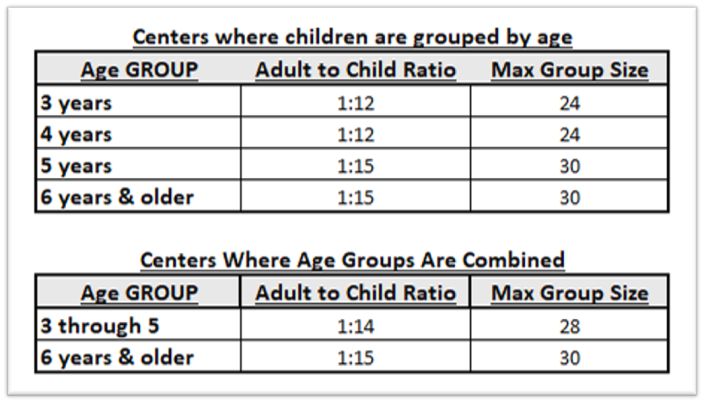
Staff will always follow NM required ratios (School-age: approx. 1:12 – 1:15 depending on age).
We maintain a strict 1:10 ratio for summer camp activities involving water or high-risk
excursions. Staff must use "active supervision" techniques, meaning they are physically
positioned to see all children and are actively engaged with the group rather than observing from
a distance. Children are always supervised. No child is left unattended.
Staff members will:
➢ Conduct regular head counts
➢ Supervise all indoor and outdoor activities
➢ Ensure children remain within designated program areas

Confidentiality Requirements
All employees, substitutes, and volunteers are required to protect the confidentiality of children,
families, staff, and Be Elite Academy records. Confidential information may only be shared with
authorized staff, the child’s parent or legal guardian, ECECD licensing representatives, CYFD
when required, law enforcement when legally required, or medical/emergency personnel when
necessary for the child’s health and safety.
Confidential information includes, but is not limited to:
• Child enrollment records, addresses, phone numbers, parent/guardian contact
information, authorized pickup lists, attendance records, immunization records,
medical/allergy information, incident reports, and emergency contacts.
• Legal documents such as custody paperwork, restraining orders, guardianship documents,
powers of attorney, court orders, or Children’s Protective Services custody information.
• Staff personnel records, background check information, emergency contact information,
evaluations, disciplinary actions, training records, and employment documentation.
• Information about a child’s behavior, disability, health condition, family situation, Child
Care Assistance status, payment status, or personal circumstances.
Staff Confidentiality Expectations:
• Employees may not discuss children, families, staff members, or center business with
unauthorized individuals. This includes conversations in classrooms, hallways, parking
lots, public places, text messages, personal phones, social media, or with other parents.
• Employees may not take photos, videos, screenshots, copies, or records of children,
families, or staff unless authorized by the Director and consistent with signed parent
permissions and center policy.
Employee Disciplinary Procedures
Our disciplinary policy is designed to be progressive and corrective. We believe in providing
staff with the feedback and coaching necessary to improve performance. However, consistent
failure to meet organizational standards or serious violations of policy will result in formal
disciplinary action. The goal is always to maintain a safe and professional environment for our
youth.
While we prefer to resolve issues through coaching and verbal warnings, certain behaviors
require immediate and decisive action. The severity of the discipline will depend on the nature of
the offense and the employee's history with the organization. All disciplinary actions are
documented in the employee's personnel file to ensure a fair and transparent record of
performance.
Progressive Disciplinary Process
The standard progression of discipline includes a Verbal Warning, followed by a Written
Warning, a Final Written Warning (which may include suspension), and finally Termination. At
each stage, the employee will meet with their supervisor to discuss the performance gap and
develop a Performance Improvement Plan (PIP) with clear timelines for correction.
Grounds For Immediate Termination
Certain actions bypass the progressive discipline process and may result in immediate
termination. These include but are not limited to physical or verbal abuse of a child, theft of
organization property, reporting to work under the influence of drugs or alcohol, falsifying time
records, or failure to perform a mandated report of child abuse.
Grievance & Complaint Procedures
We are committed to a workplace where every employee feels heard and respected. We
encourage staff to resolve minor conflicts through direct communication. However, when formal
issues arise regarding workplace conditions, unfair treatment, or misconduct, we have a
structured grievance process to ensure a fair resolution.
Retaliation against any employee who files a good-faith complaint or participates in an
investigation is strictly prohibited. We take all complaints seriously and will conduct thorough
investigations to determine the facts. Our priority is to maintain a professional environment
where staff can focus on the mission of serving youth without fear of harassment or unfair
treatment.
Formal Reporting Channels
Employees should first attempt to resolve concerns with their immediate supervisor. If the issue
involves the supervisor or remains unresolved, the employee should submit a written grievance
to HR and the Executive Director. Complaints involving harassment or discrimination should be
reported directly to HR to ensure an impartial investigation.
Acknowledgment & Signature Page
Agreement Of Terms/Receipt Confirmation